
Kedaung Tangerang Industrial Compound
Kedaung Tangerang Industrial Compound is one of Kedaung Group’s principal integrated industrial sites in Indonesia. Established in 1978 as the Group’s manufacturing expansion beyond Jakarta, it has grown into a major centre for ceramics, porcelain ware, raw material refinement, packaging, and related industrial activities.
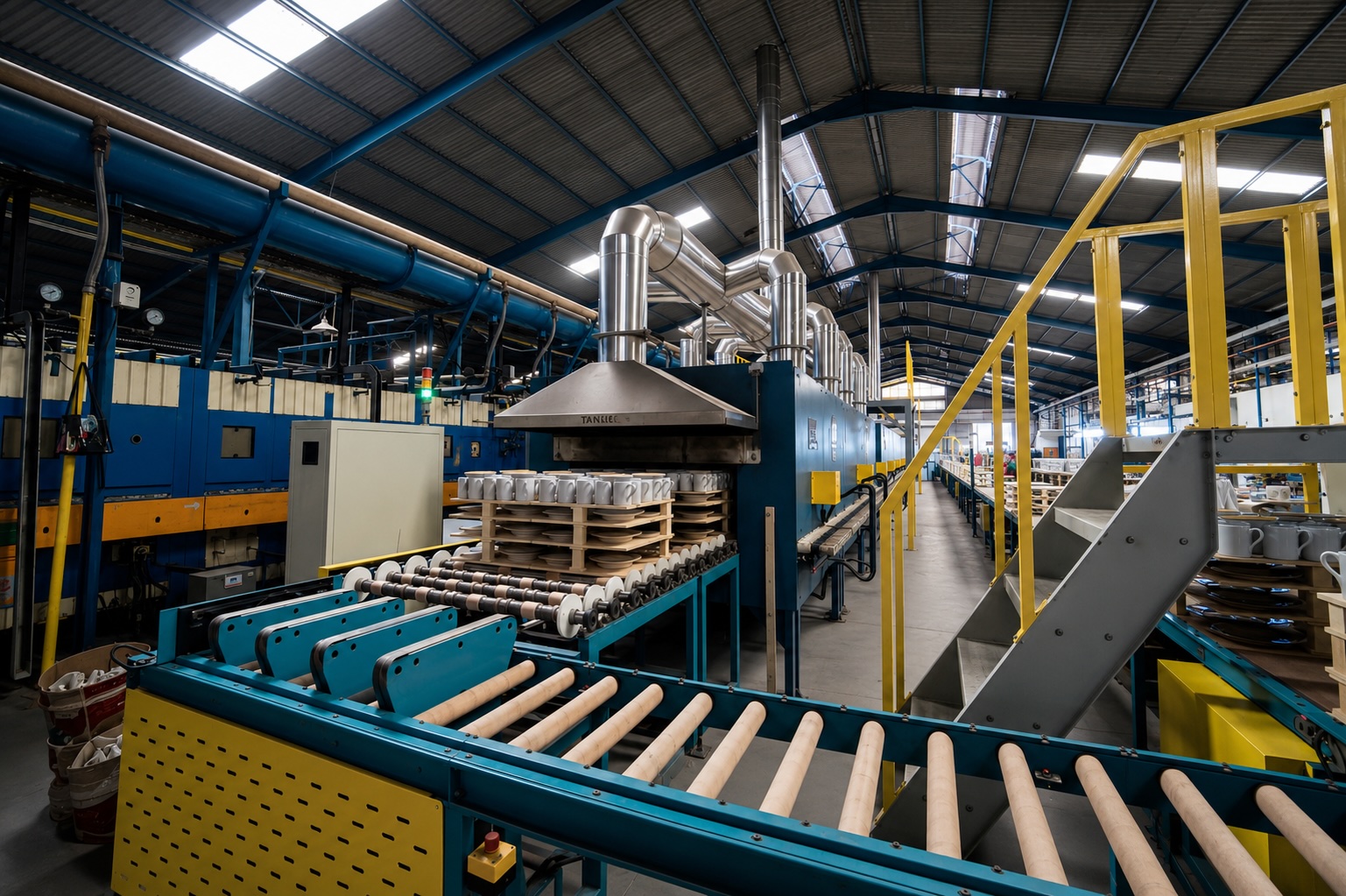
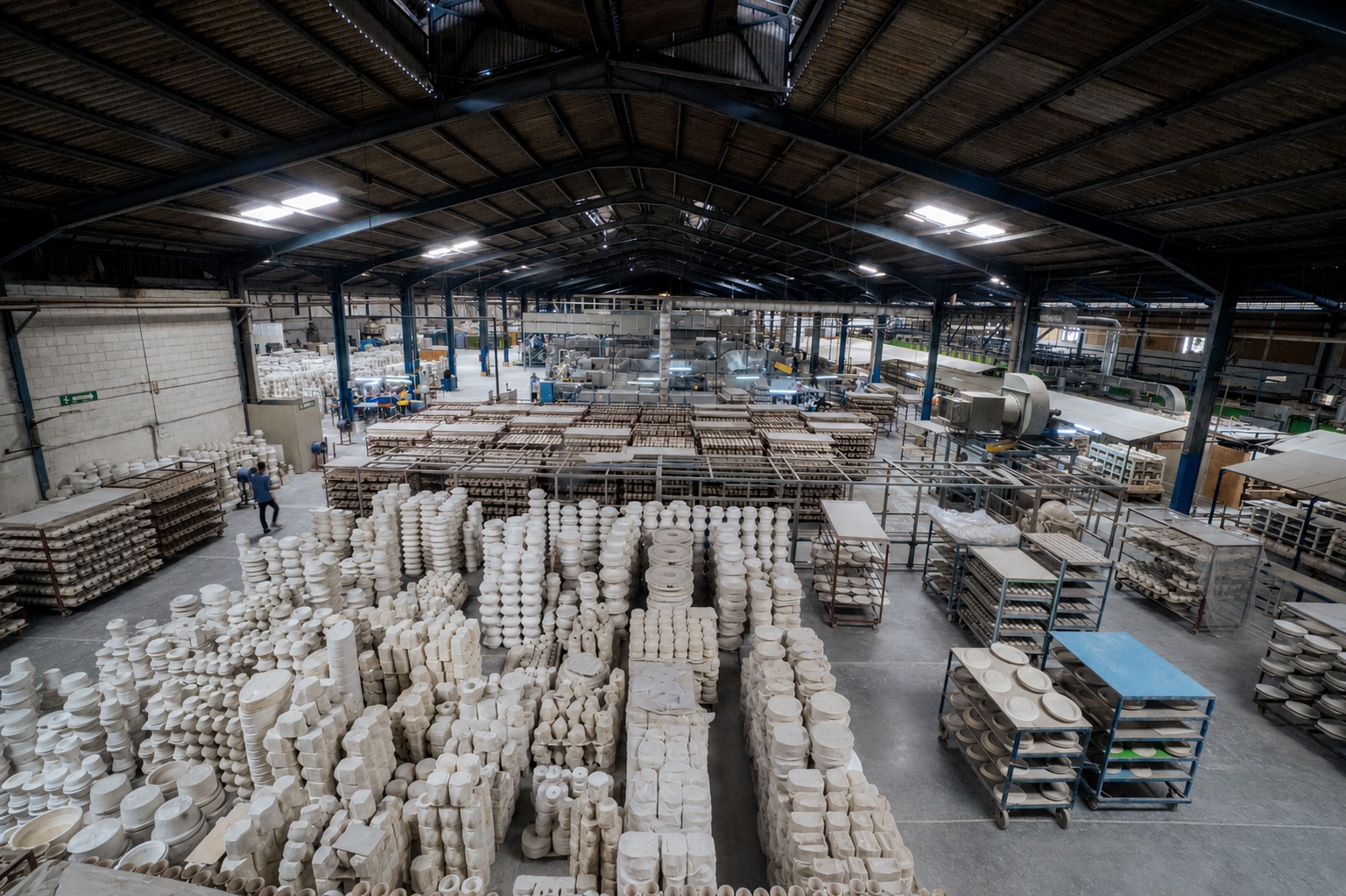
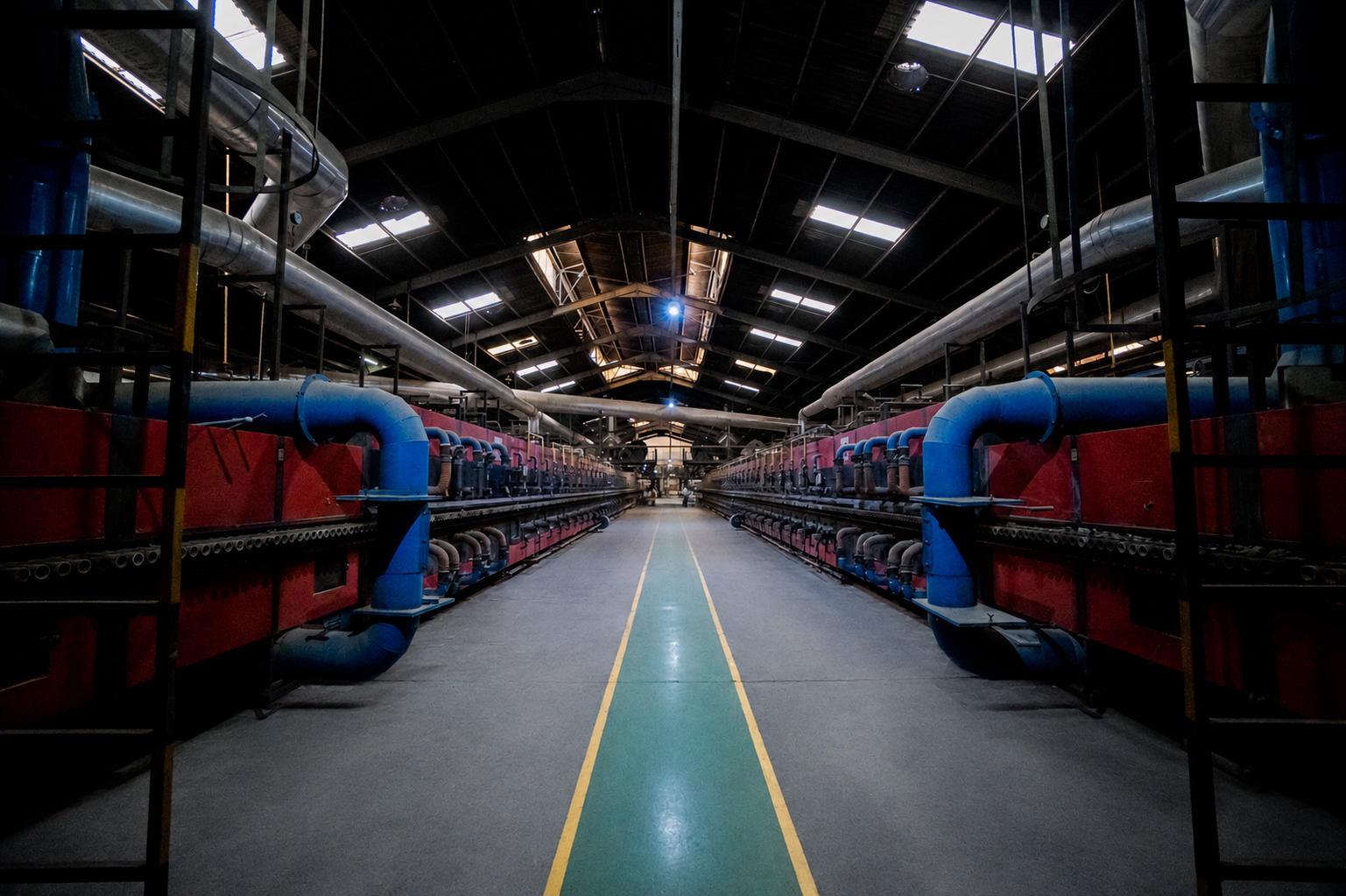
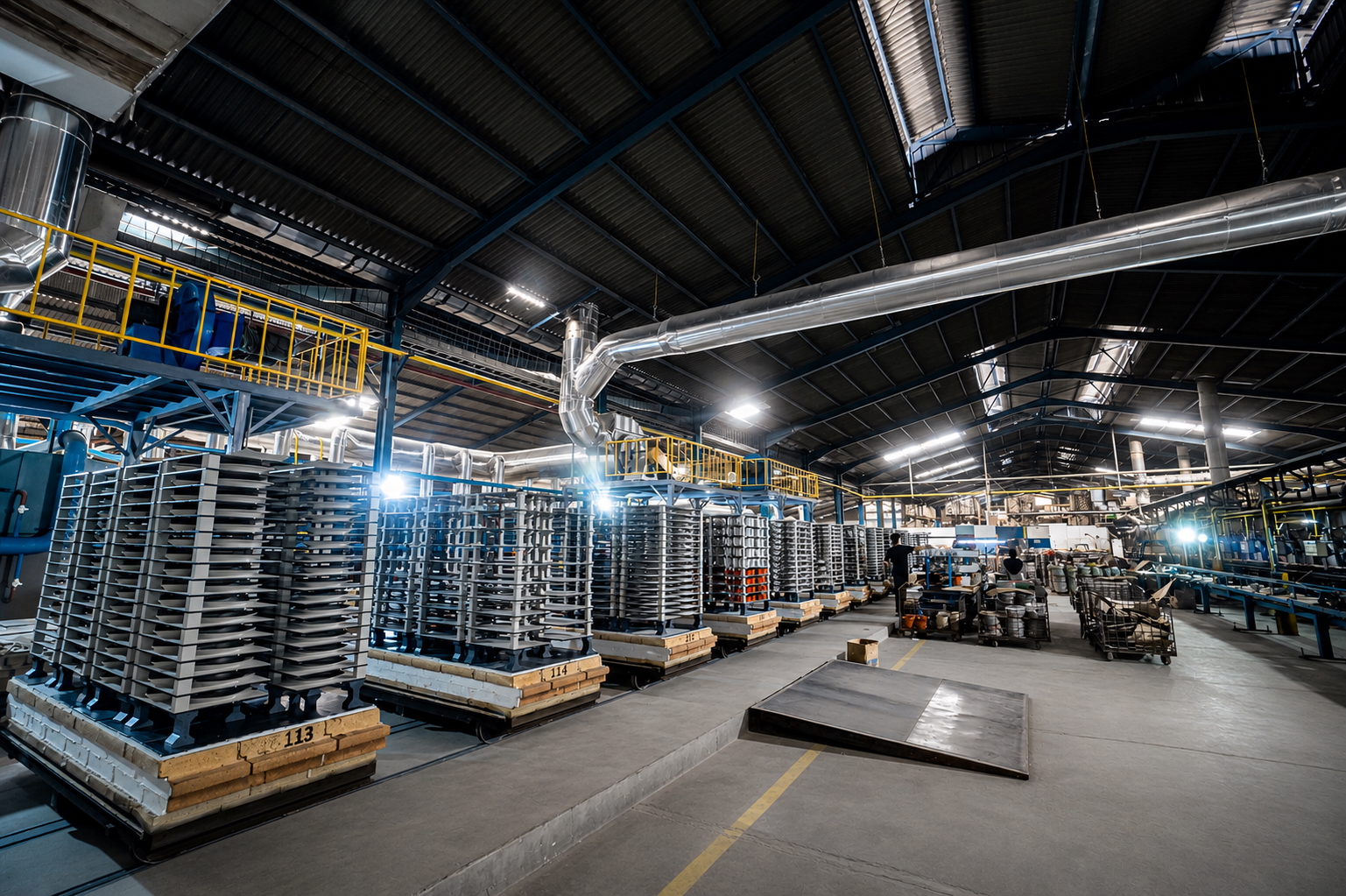
The compound houses an extensive concentration of exclusively Kedaung-owned facilities, forming a large integrated industrial ecosystem within a single site. Among its most prominent operations are Kedaung Oriental Porcelain Industry (KOPIN), with its 545,000 sq ft (50,600 sq m) porcelain ware facility, and IKAD Ceramics, whose 2,800,000 sq ft (260,000 sq m) operation anchors the site’s ceramic tile production. In addition to these are Itasmaltindo, KOPIN Gift Box, and other Kedaung facilities, together reflecting the compound’s breadth across porcelain ware, ceramic tiles, raw material refinement, paper packaging products, and more.
Originally developed as an expansion of Kedaung’s Jakarta manufacturing base, the compound benefits from its strategic placement in Pasar Kemis, Tangerang, within one of Greater Jakarta’s key industrial corridors. Its location provides strong access to surrounding industrial networks, the Jakarta metropolitan market, and the wider transport infrastructure that connects Tangerang to major logistics routes. This has made the site an effective base not only for large-scale production, but also for coordination across multiple Kedaung businesses operating within the same industrial zone.
Beyond production itself, the compound is built to support the workforce of more than 2,000 Kedaung employees across the site. In addition to residential housing, the campus includes several large-scale cookhouses that prepare daily meals for employees, as well as social and recreational facilities such as a full-sized football field, tennis court, and badminton court. The site also operates multiple groundwater extraction and water treatment systems, helping major facilities such as IKAD and KOPIN support production more efficiently while reducing dependence on external water supply.