
Our Story
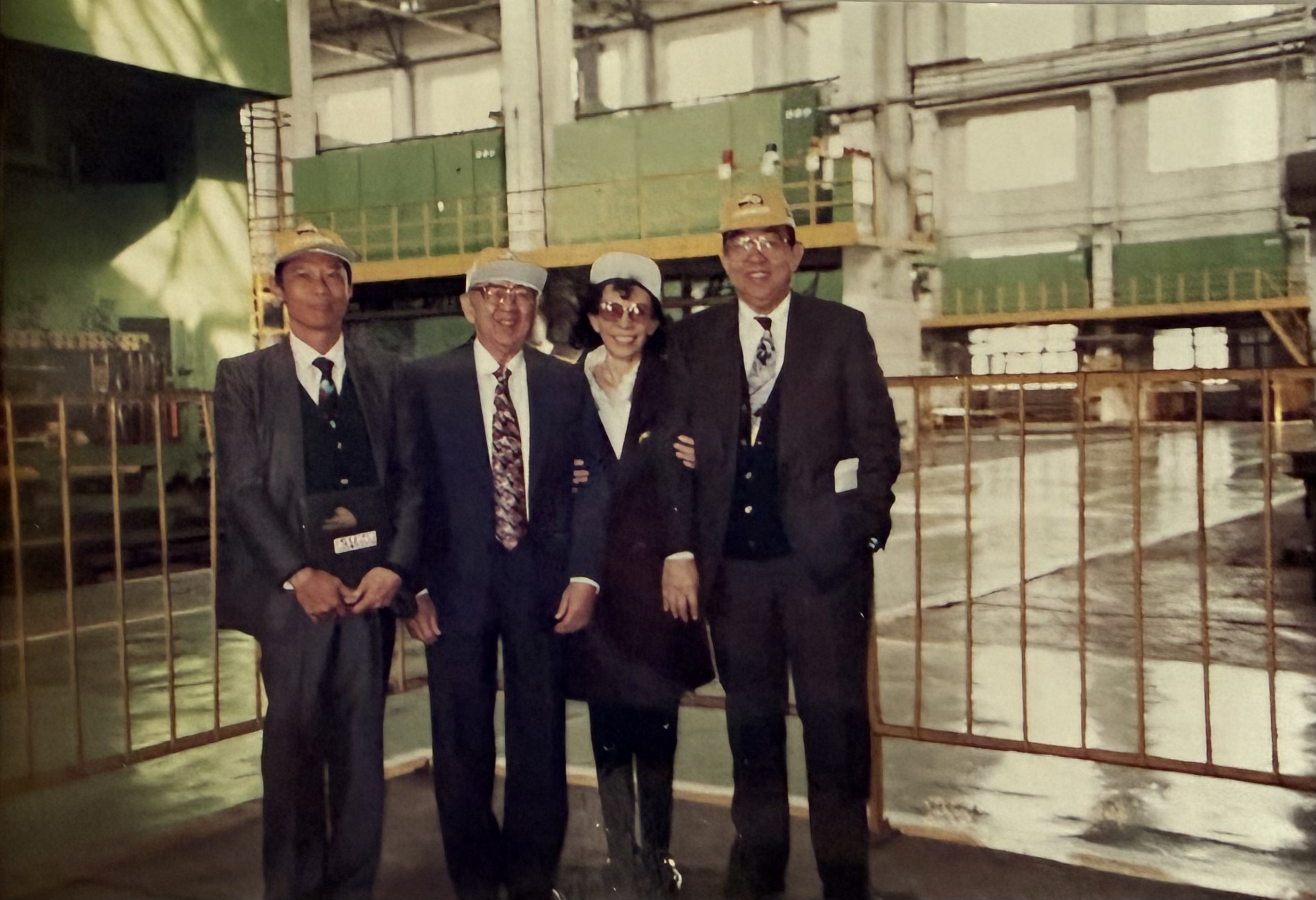
Founded by Dr Agus Nursalim, Kedaung Group, also widely known as Kedaung Industrial Group or KIG Group, has grown into one of Indonesia’s most extensive multi-material, cross-sector manufacturing groups. The Group’s story began in 1969, when Dr Agus Nursalim established Indonesia’s first glassware manufacturing facility in Jakarta, laying the foundation for decades of industrial expansion.
Before entering manufacturing, Dr Agus Nursalim had built his experience in the tableware trade. Recognising the scale of opportunity in Indonesia’s growing domestic market, he moved beyond trading and into production, seeing that long-term growth would require not only selling products, but building the industrial capacity to manufacture them at scale.
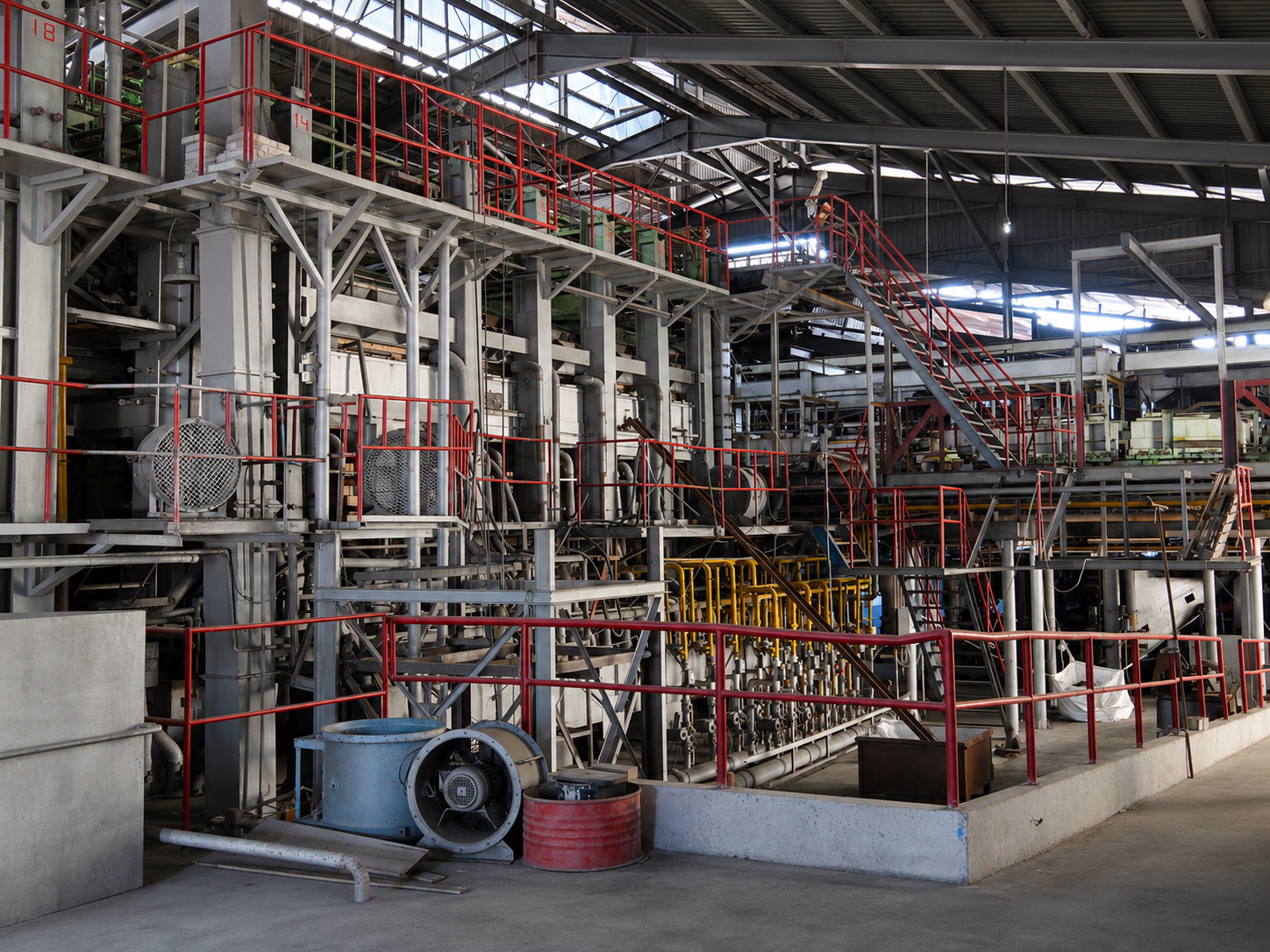
What began with a single facility would, over time, develop into one of the world’s largest glassware manufacturing operations. By the twenty-first century, Kedaung Group had established itself as one of the world’s largest glassware manufacturers, with production volumes reaching 1,650 tonnes per day, or roughly the equivalent of 10 million glass tumblers daily. This scale was supported by a portfolio of 6,000 product items, 120 production lines, and a total recorded output capacity of 600,000 tonnes per year.
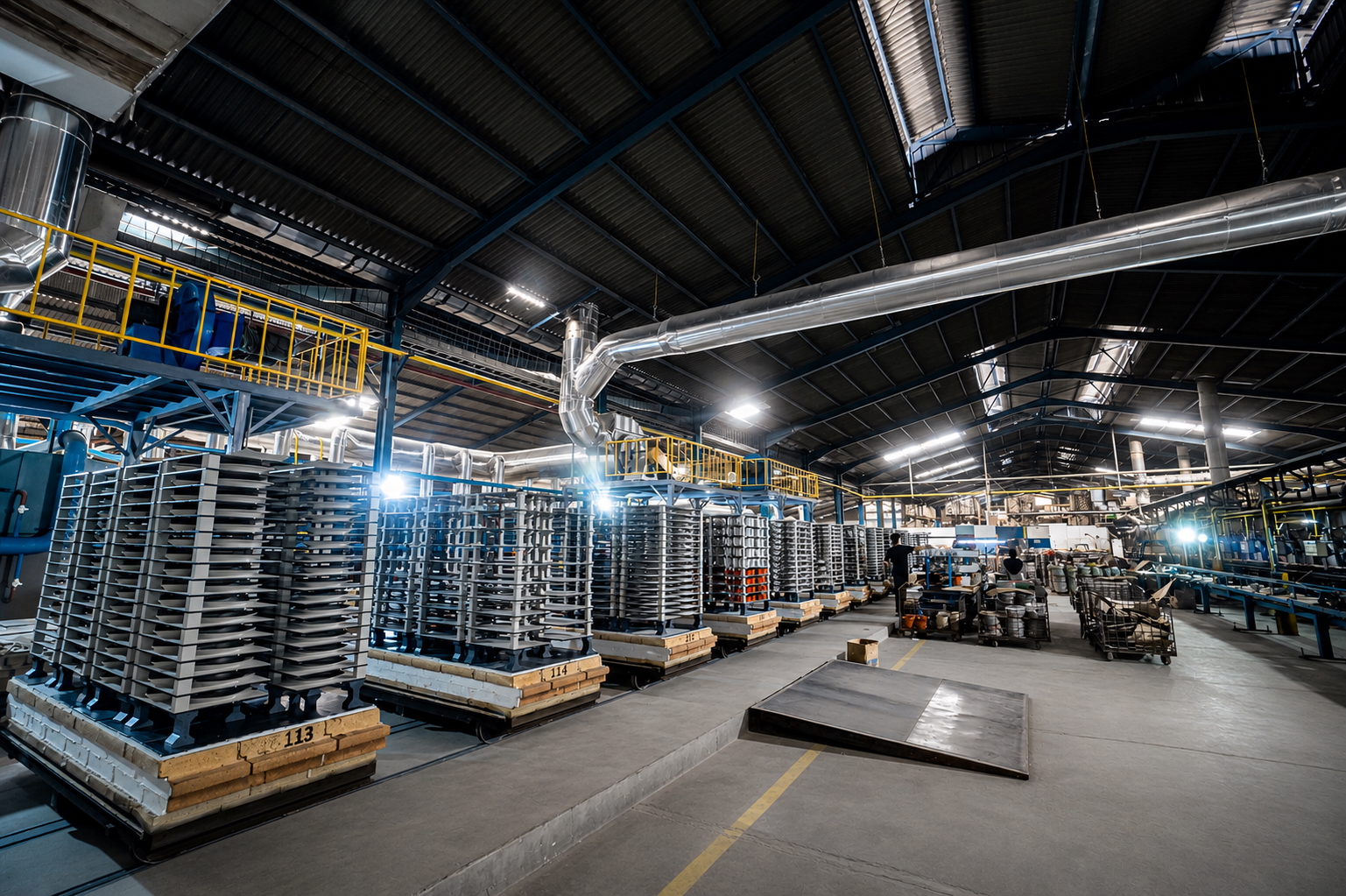
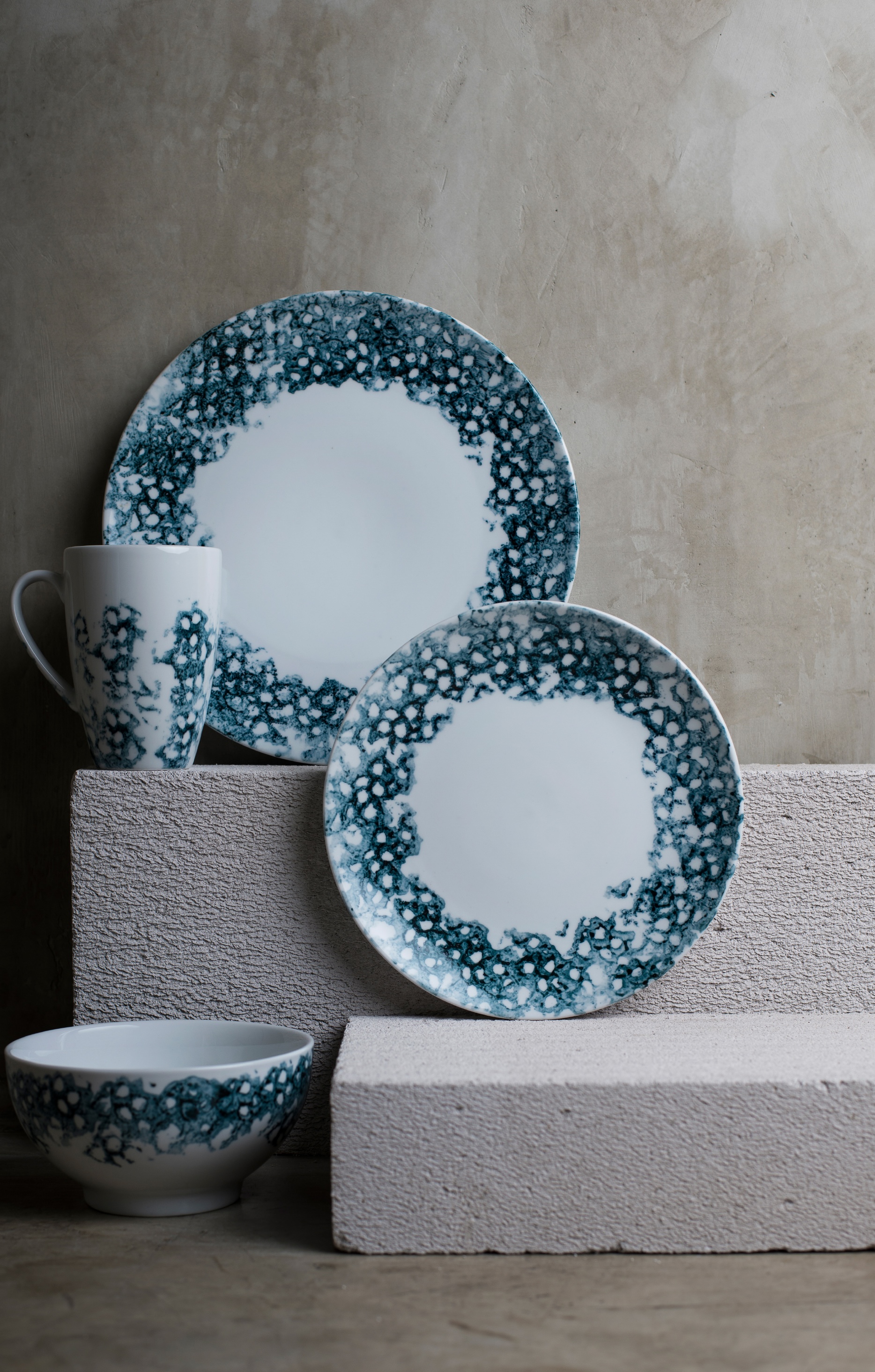
From this foundation, the Group expanded across adjacent materials and industries. After glass, Kedaung broadened its manufacturing base, growing into porcelain ware, enamelware, stainless steel flatware, and later into building materials such as tiles, roof tiles, and related products. Over the decades, the Group’s industrial base became increasingly broad, spanning both consumer and building-material categories.
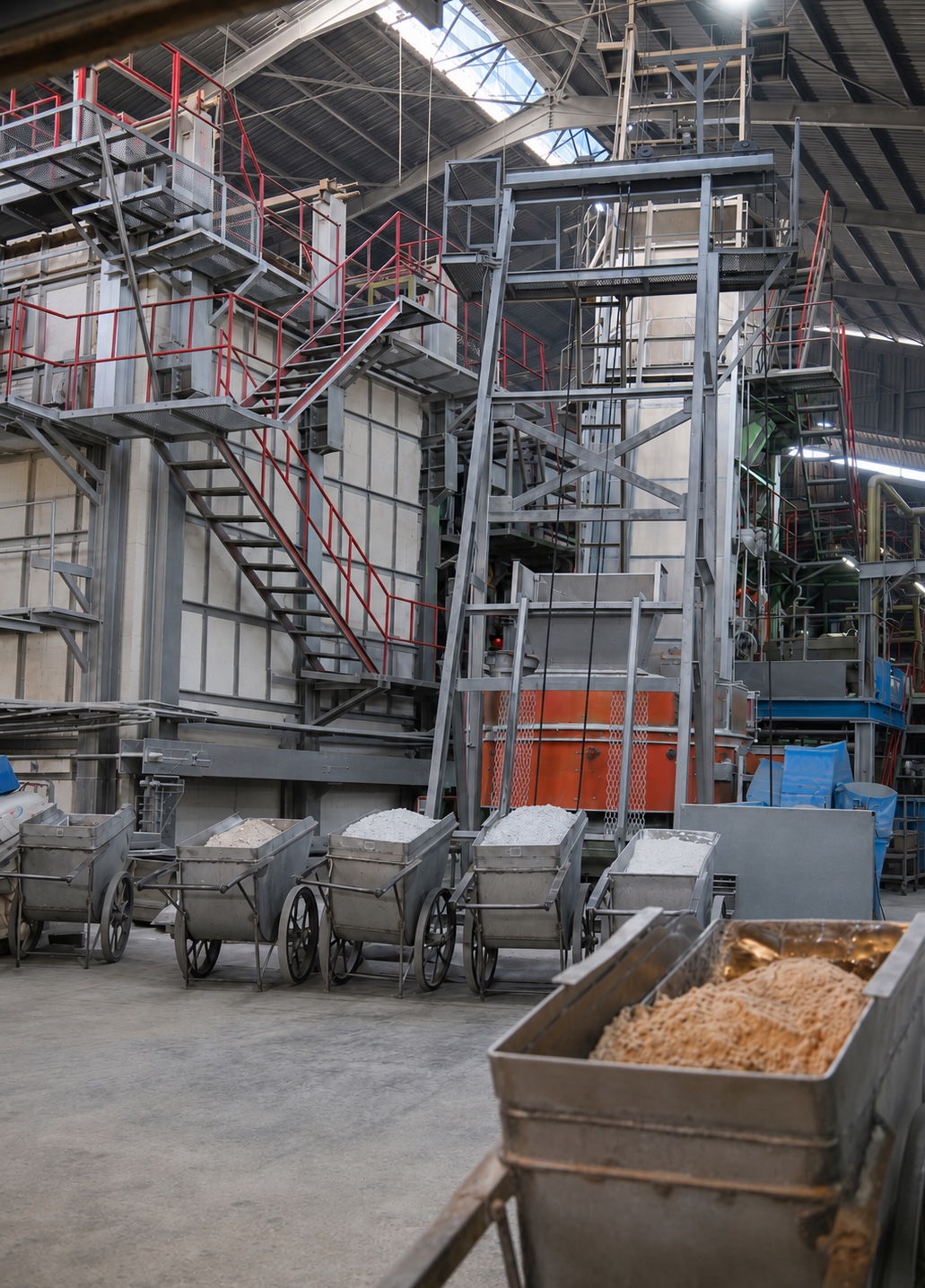
A major part of this growth came through vertical integration. As Kedaung expanded during a period when industrial supply chains were far less developed than they are today, the Group invested across multiple stages of the value chain in order to support scale, reliability, and operational control. This included activities connected to raw material mining and refinement, shipping, energy distribution, decoration and decal production, packaging, industrial real estate, and international trading and distribution. Over time, Kedaung developed not only as a manufacturer, but as a deeply integrated industrial ecosystem.
This strategy of integration, combined with diversification, helped transform Kedaung from a single manufacturing venture into a multinational industrial conglomerate. Today, the Group comprises 38 subsidiaries spanning manufacturing, distribution and trading, raw material refinement, financial services, industrial real estate development and a range of other sectors. With operations across 12 countries and four continents, Kedaung products are distributed to more than 135 countries worldwide.
More than five decades after its founding, Kedaung Group remains defined by the qualities that shaped its growth from the very beginning: manufacturing depth, industrial scale, diversification across materials and sectors, and a long-term commitment to building businesses designed to endure.